
Unique Interior Design in Singapore Trends 2026 Living Now
Singapore is globally recognized for its innovation, efficiency, and futuristic lifestyle—and its interiors are no exception. As we step into 2026, interior design in Singapore is evolving rapidly, blending technology, sustainability, and luxury into compact urban spaces.
Modern homeowners are no longer just decorating spaces—they are designing experiences. From smart homes to eco-conscious materials, Singapore’s design trends are shaping the future of urban living.
In this blog, we explore the most powerful and forward-thinking trends redefining interior design in Singapore for modern living.
Designing for Vertical Living, Not Just Small Spaces
Unlike many countries, Singapore doesn’t just deal with “small homes”—it designs for vertical communities. Most residents live in high-rise HDB flats or condominiums, which creates unique design challenges.
In 2026, interior design in Singapore focuses on:
- Enhancing views from height
- Maximizing airflow across stacked units
- Creating openness despite structural limitations
Designers are now thinking in 3D spatial experiences, not just floor plans. Ceilings, walls, and even windows are being used creatively to expand visual space.
Creative Modern Office Design Ideas for UK Offices Guide!
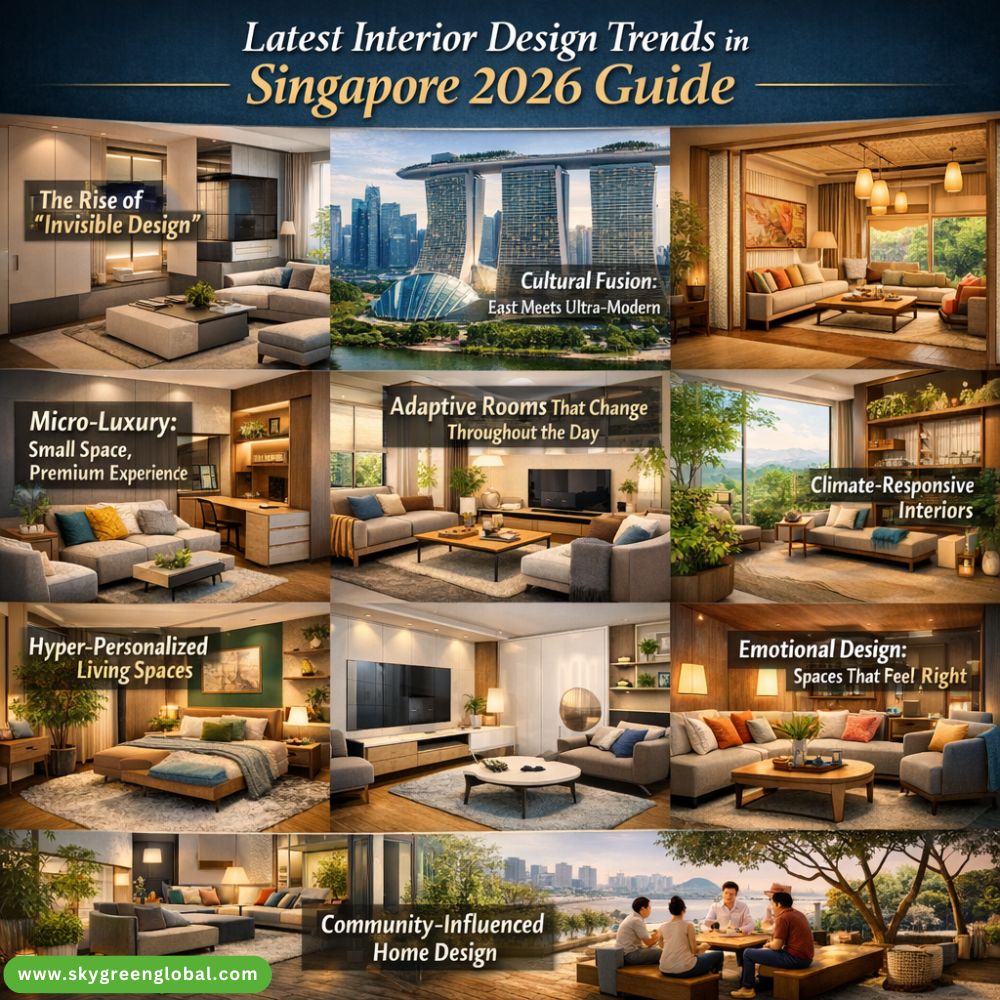
The Rise of “Invisible Design”
One of the most unique trends emerging in Singapore is invisible design—where functionality exists, but you barely see it.
Examples include:
- Hidden kitchens behind sliding panels
- Concealed workstations inside wardrobes
- Seamless storage within walls
- Integrated lighting that feels natural
This approach creates a clean, distraction-free environment, which is essential in compact urban homes.
In interior design in Singapore, less visibility often means more sophistication.
Cultural Fusion: East Meets Ultra-Modern
Singapore’s multicultural identity is influencing interiors in subtle but powerful ways.
Instead of traditional décor, modern homes are blending:
- Japanese Zen simplicity
- Chinese spatial harmony principles
- Scandinavian functionality
- Contemporary urban aesthetics
This fusion creates spaces that feel both modern and meaningful. It’s not about decoration—it’s about cultural storytelling through design.
Micro-Luxury: Small Space, Premium Experience
Luxury in Singapore is being redefined. It’s no longer about large spaces—it’s about high-quality experiences within limited areas.
Micro-luxury includes:
- Premium materials in small zones
- Designer lighting as focal points
- High-end finishes in kitchens and bathrooms
- Compact yet luxurious furniture
In 2026, interior design in Singapore proves that even a small apartment can feel like a five-star space.
Adaptive Rooms That Change Throughout the Day
One of the most innovative concepts is time-based design—rooms that transform depending on the time of day.
For example:
- A living room becomes a workspace in the morning
- A dining area converts into a meeting space
- A bedroom integrates a relaxation zone at night
This dynamic approach reflects modern lifestyles where people work, relax, and socialize within the same space.
Climate-Responsive Interiors
Singapore’s tropical climate plays a huge role in interior design decisions.
In 2026, designers are focusing on:
- Heat-resistant materials
- Cross-ventilation layouts
- Humidity-friendly finishes
- Light-reflective surfaces
Instead of fighting the climate, interior design in Singapore works with it to create comfortable living environments.
Hyper-Personalized Living Spaces
Mass-produced interiors are fading away. Homeowners now want spaces that reflect their personality, habits, and lifestyle.
Personalization goes beyond décor:
- Layouts based on daily routines
- Furniture designed for specific needs
- Lighting tailored to mood preferences
- Custom storage for lifestyle habits
Every home becomes a unique living system, not just a designed space.
Silent Technology Integration
Unlike flashy smart homes, Singapore is moving toward silent technology—where tech enhances life without being noticeable.
Features include:
- Sensors that adjust lighting automatically
- Hidden speakers within walls
- Smart glass that changes transparency
- AI-based climate control
Technology becomes part of the environment, not a visible feature.
Emotional Design: Spaces That Feel Right
A growing trend in interior design in Singapore is emotional design—creating spaces that influence how people feel.
This includes:
- Calming color palettes
- Soft lighting transitions
- Textures that evoke comfort
- Layouts that reduce stress
Homes are no longer just functional—they are designed to support mental well-being.
Community-Influenced Home Design
Singapore’s strong sense of community is now influencing private interiors.
Designers are incorporating:
- Social-friendly layouts for gatherings
- Flexible seating arrangements
- Open kitchens for interaction
- Spaces that encourage connection
Even within small apartments, homes are designed to bring people together.
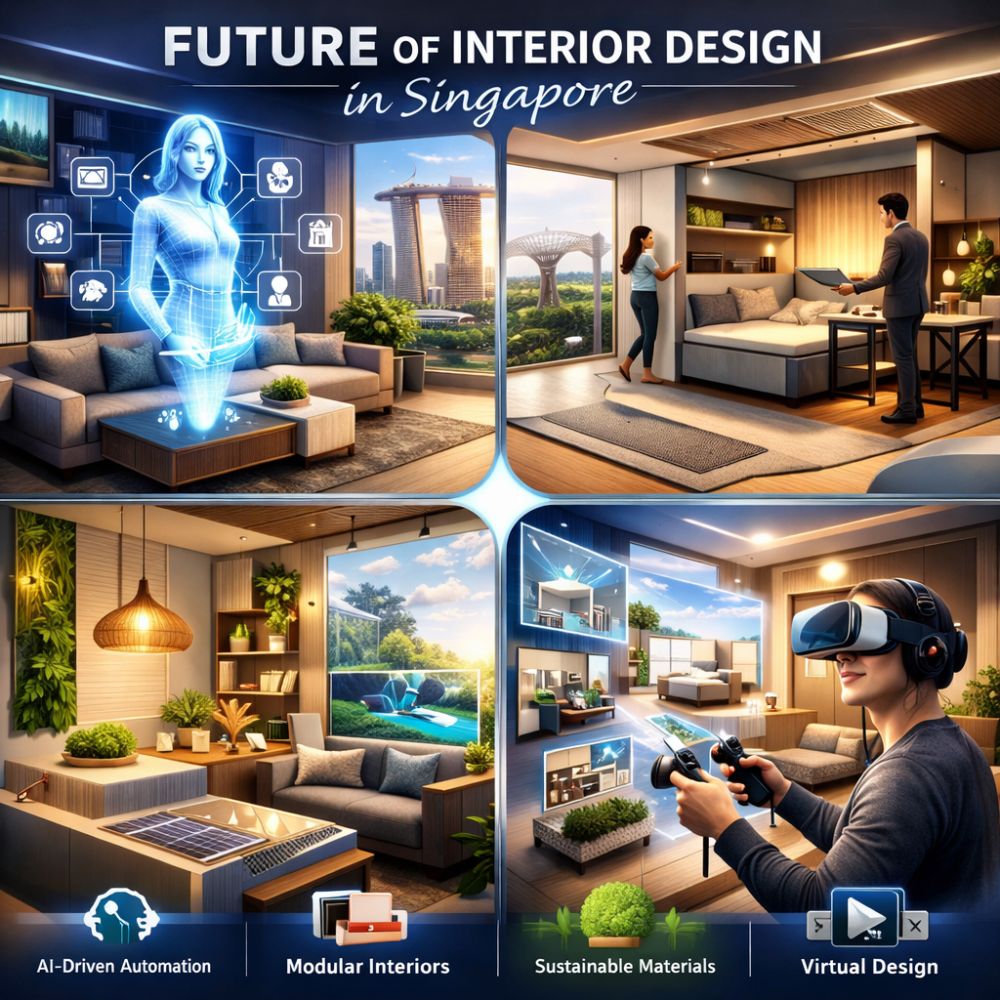
The Future: Living Spaces That Think Ahead
Looking forward, interior design in Singapore is heading toward predictive living environments.
Future homes may include:
- AI that adjusts spaces based on habits
- Furniture that adapts automatically
- Rooms that reconfigure themselves
- Fully integrated digital ecosystems
The goal is simple: homes that don’t just respond—but anticipate needs.
Interior Design in Singapore 2026 Advanced Living Designs: Final Thoughts
Interior design in Singapore in 2026 is not about following trends—it’s about redefining how people live in modern cities.
From invisible design to emotional spaces, every concept reflects a deeper understanding of urban life. Singapore is proving that even in limited space, design can be limitless.
If you want to create a truly future-ready home, the answer lies in embracing these unique, forward-thinking ideas in interior design in Singapore.
